
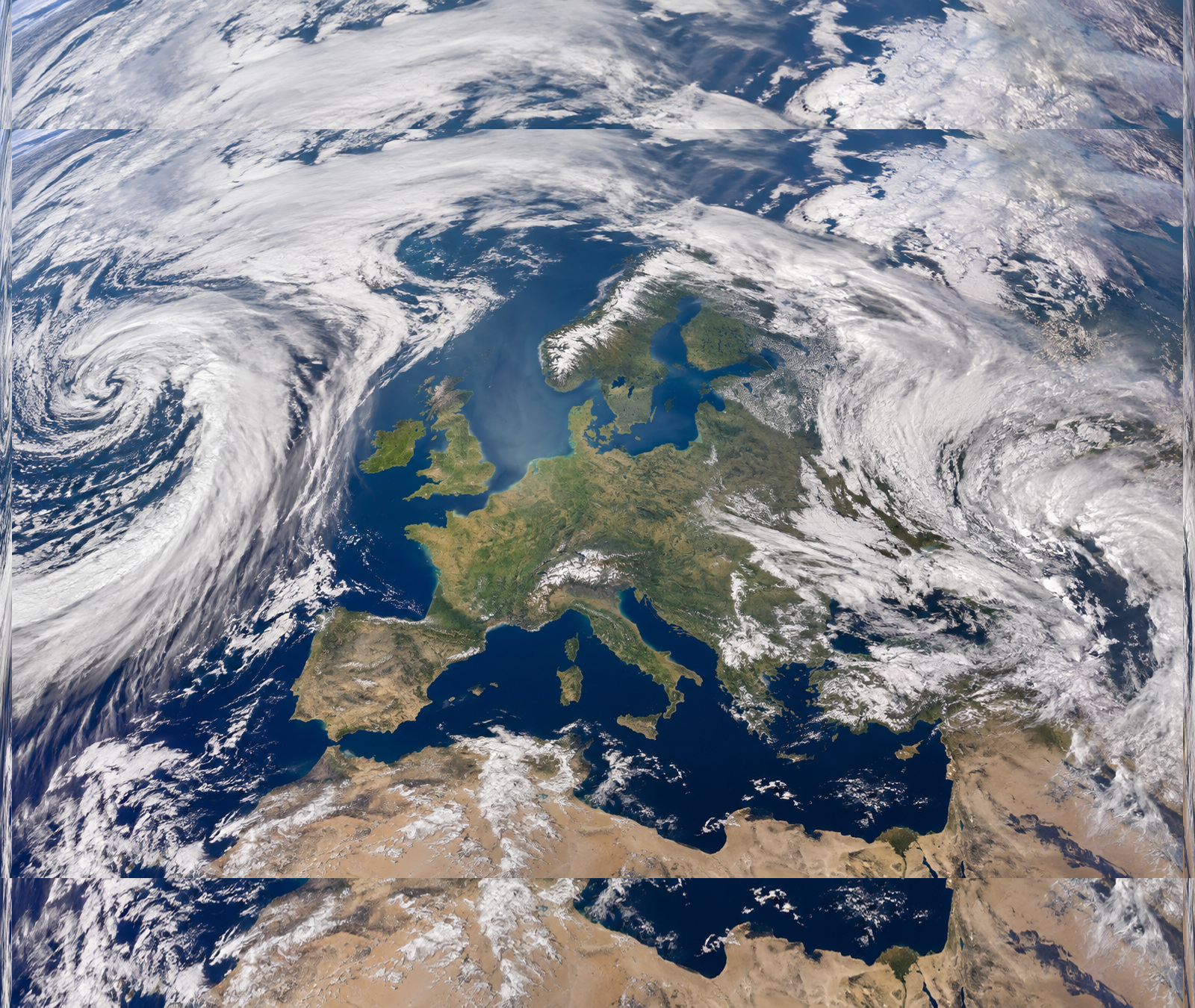
Weather normally changes because pressure systems and fronts are carried eastward by the large-scale atmospheric flow. But sometimes that progression slows dramatically. A powerful high-pressure system becomes almost stationary and redirects the jet stream around it. Meteorologists call this atmospheric blocking.
What is an Omega Block?
An Omega Block gets its name from the Greek letter Ω. On a weather map, a strong high-pressure system sits between two low-pressure areas to the west and east, creating a pattern that resembles omega. The high can remain in place for several days or even longer.
Why does the weather become repetitive?
Because the block changes the path of the jet stream, normal Atlantic weather systems cannot progress in their usual way. Storms may be diverted north or south, or they can stall along the edges of the block.
What happens underneath the high?
Descending air suppresses clouds and precipitation. In summer this can mean prolonged sunshine, heat and drought. In autumn and winter, however, the same high can trap cold air, fog and low cloud near the ground while mountains remain sunny and mild.
What happens beside the block?
Regions near the surrounding lows can experience the opposite problem: repeated rainfall, strong winds or thunderstorms. The block effectively keeps feeding similar weather into the same areas.
Why are blocks difficult to forecast?
Forecast models generally handle large-scale pressure systems well, but the exact timing of a block’s breakdown can be challenging. Small changes in the jet stream can determine whether a block collapses, shifts or rebuilds.
Why it matters for Europe
Europe sits downstream of the North Atlantic storm track. A blocking high over or near the continent can dramatically change the usual flow of Atlantic lows. That is why blocking patterns are behind some of Europe’s longest heatwaves, cold spells, droughts and persistent rainy periods.