
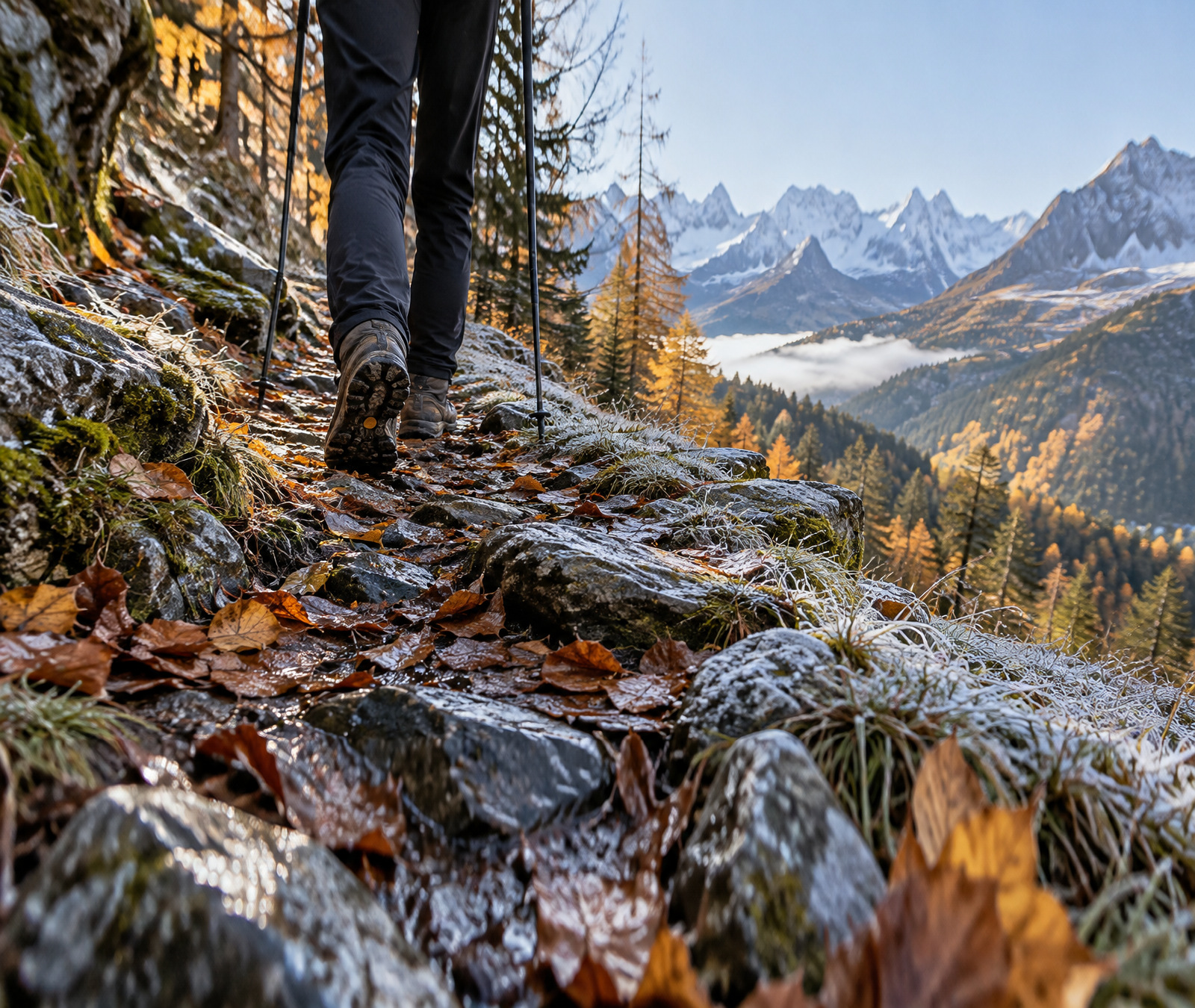
An autumn walk has a special appeal: cooler air, colourful hillsides and trails that may feel less demanding than they do in summer. Yet people still lose water through breathing, sweating and everyday bodily processes. Dressing in layers or stopping for scenic photographs can make it easy to forget about drinking altogether.
HEALTH & TRAVEL
A practical hydration check
General wellbeing guidance, not a prescribed amount of fluid for every walker.
Pack drinking water and plan where supplies are available.
Take sensible breaks, notice your thirst and adjust for exertion.
Watch for unusual dizziness, tiredness or very dark urine.
Key point: Do not force excessive water intake: drinking far beyond your needs can also be harmful.
Cool weather changes comfort, not physiology
Sweating often feels more obvious on a hot day, but exertion and warm clothing can still make people sweat in cooler conditions. Breathing also contributes to ongoing water loss. The right amount to drink depends on duration, effort, temperature, individual health and the availability of supplies.
The NHS lists thirst, headaches, dizziness, reduced urination and dark urine among possible symptoms of dehydration. None of these signs proves dehydration on its own, and severe symptoms require medical attention rather than guesses on the trail.
Avoid both extremes
A rigid instruction to drink a certain number of litres on every hike is not appropriate for everyone. Short flat walks and long mountain routes place different demands on the body. For most easy outings, carrying water and drinking according to comfort, conditions and personal needs is a reasonable starting point.
Drinking excessive water without regard to need is not a good strategy either. Travel medicine guidance warns that overhydration during prolonged exercise can lead to low blood sodium. People with medical fluid restrictions should follow their clinician’s specific advice.
A smarter packing list for a short break
Before leaving, check the expected length of the route, facilities, access to drinking water and the possibility of shortening the walk. Bring a reusable bottle, weather-appropriate layers, comfortable footwear and a charged phone. If a trail is unfamiliar, a paper or offline map can help when reception fails.
For group trips, agree on breaks rather than waiting for the slowest walker to ask. Children and older adults may need extra attention to comfort and hydration. These are practical precautions, not a reason to avoid outdoor activity.
Know when to change plans
If someone becomes unusually weak or dizzy, stop in a safe place and reassess. Severe confusion, fainting or difficulty breathing calls for urgent help. Do not continue into exposed terrain simply to reach a scenic viewpoint.
For weather and route planning, use the available Alpha Weather data for the actual destination. This is an educational article, not a claim about current conditions in any particular hiking area. The best trip is one that fits both the landscape and the people enjoying it.